Dachshund Dog Embroidery Design Review
When evaluating a machine embroidery design for real-world application, it’s important to look beyond the initial visual appeal and consider how it will perform in various projects. As an experienced designer and product reviewer, I recently had the opportunity to work with the Dachshund Dog embroidery file, and here’s my honest take on its practical use.
First Impressions: A Playful Yet Polished Look
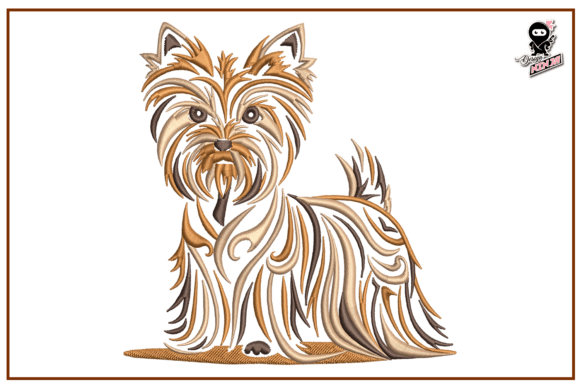
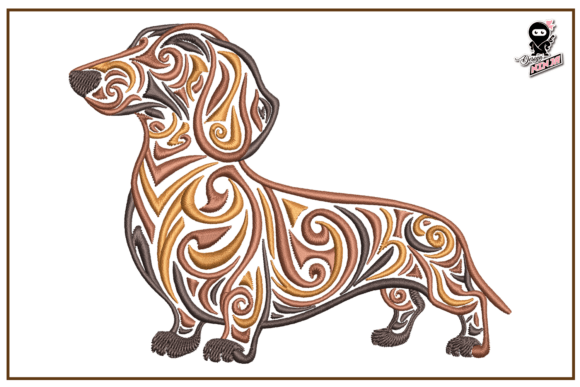
The Dachshund Dog design immediately stands out with its charming character and well-balanced composition. It captures the essence of a Dachshund — long, lean, and full of personality — in a stylized yet realistic way. The layout is clean, and the level of detail is just right; it’s not overly complex but still visually engaging. This makes it versatile enough to be used across different products while maintaining a professional appearance.
What I appreciate most is the mood this design conveys. It’s friendly, approachable, and slightly whimsical — perfect for items that are meant to express warmth or nostalgia. Whether you're creating personalized gifts or branding materials for a small shop, the Dachshund Dog adds a touch of individuality without being too flashy.
Real-World Applications and Project Fit
I tested the Dachshund Dog on a few common embroidery projects to see how it translates from digital to physical. One of the first applications was a custom embroidered tote bag for a boutique client. The design looked great on cotton canvas, with smooth satin stitches outlining the dog’s body and clear fill stitches adding depth to the ears and paws.
On a sweatshirt project, the design maintained its clarity even when scaled up. The stitch density was manageable, which helped prevent puckering on the stretchy knit fabric. For baby clothes, like onesies or bibs, the design felt age-appropriate and safe, especially when using soft thread colors that complemented pastel fabrics.
Another interesting test was using it as an embroidered patch on denim. The Dachshund Dog held up well, with all elements clearly defined and no distortion during the transfer process. It also worked nicely on aprons, where the playful nature of the dog paired well with kitchen-themed accessories.
For holiday gifts, such as ornamented pillow covers or tea towels, the design added a festive yet subtle charm. It didn’t overwhelm the fabric, which allowed for additional text or smaller decorative accents to be layered alongside it without cluttering the space.
Where to Use with Caution
While the Dachshund Dog performs admirably in many contexts, there are certain situations where extra care is needed. If you're working with very small hoop sizes, scaling down the design may compromise some of the finer details, especially in the facial features. Always check if the design can maintain its integrity at the desired size before committing to a production run.
Textured fabrics, like flannel or corduroy, can also affect the final outcome. The running stitches and fill areas might not lay as smoothly, so experimenting with stabilizers becomes essential. Thin or stretchy materials require careful adjustment of tension and stitch density to avoid distorting the shape or causing skipped stitches.
If you're considering using this design on dark fabrics, make sure the thread colors have enough contrast. While the design includes multiple hues, they may blend into darker backgrounds, reducing visibility. In such cases, opting for white or metallic threads could help bring out the details more effectively.
Products that undergo frequent washing, like baby clothes or towels, should be approached with attention to durability. Dense stitch areas might wear over time, so using high-quality embroidery thread and reinforcing key sections (like seams) can improve longevity.
Design Impact on Product Value and Branding
One of the biggest advantages of using the Dachshund Dog is its ability to elevate the perceived value of a handmade product. It adds a layer of customization and creativity that customers notice and appreciate. For Etsy sellers or craft business owners, this kind of detail can significantly increase buyer engagement and reinforce brand identity.
As a design asset, it contributes to a cohesive theme in collections centered around dogs or pet-related motifs. Its consistent style and recognizable form make it ideal for giftable items, helping to build recognition and trust with repeat customers. The design feels intentional and well-crafted, which reflects professionalism and quality — two factors that enhance customer confidence in your finished product.
Designer Notes for Optimal Results
- Test on scrap fabric first: Especially if you’re planning a commercial run or a new product line. This helps catch any issues early on.
- Check thread color contrast: Ensure the chosen palette works well with your fabric choice. Consider black-and-white mockups to evaluate visibility.
- Review stitch density settings: Adjust these according to the fabric type. Too dense can cause puckering; too loose can lead to gaps or uneven coverage.
- Confirm hoop size requirements: Some designs need specific minimum dimensions to preserve their structure. Scale appropriately to match your hoop capacity.
- Inspect small details: The eyes and nose are delicate parts of the Dachshund Dog design. Make sure your machine can handle them accurately.
- Use proper stabilizer: Depending on the fabric, a tear-away or cut-away stabilizer may be necessary to keep everything looking crisp after stitching.
- Verify licensing before selling: If you plan to sell finished items or digital embroidery files, confirm whether the design allows for commercial use and resale rights.
Final Thoughts on Dachshund Dog for Embroidery Projects
In summary, the Dachshund Dog is a solid addition to any embroidery designer’s toolkit. It’s adaptable enough for both personal and commercial use, and when applied correctly, it enhances the overall aesthetic of a wide range of products. From custom apparel to holiday gifts, it brings a sense of charm and thoughtfulness that resonates with buyers.
However, like any design, it requires thoughtful placement and preparation. By understanding its strengths and limitations, you can maximize its impact and ensure it meets your creative goals. Whether you're a hobbyist, Etsy seller, or part of a small craft business, this design has the potential to become a staple in your repertoire — provided you treat it with the same attention to detail that every good embroidery project deserves.