Mary Holding Baby Jesus Redwork for Real Projects
As an experienced embroidery designer and product reviewer, I always approach a new machine embroidery design with a critical eye. It’s not just about how it looks in the preview — it’s about how it translates into real-life handmade products, whether you're making personalized gifts or preparing inventory for your craft business. Today, I’m taking a closer look at Mary Holding Baby Jesus Redwork, evaluating its suitability for actual use across a range of projects.
A Warm and Timeless First Impression
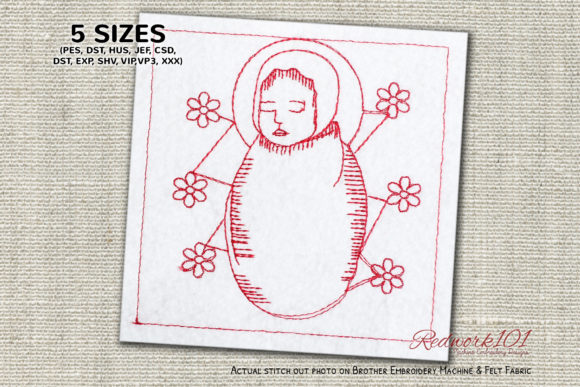
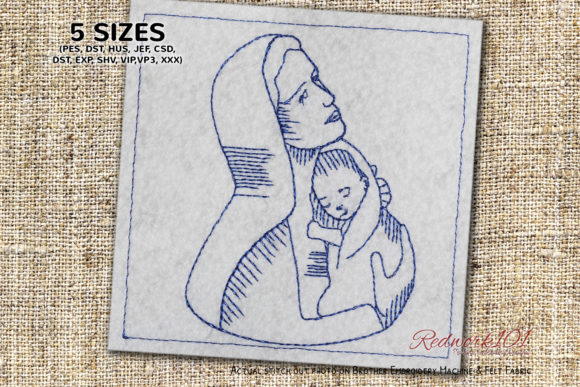
The first thing that stands out with Mary Holding Baby Jesus Redwork is its classic feel. The redwork style immediately evokes a sense of tradition and simplicity, yet there's a depth to the details that speaks to quality craftsmanship. This isn’t a flashy design, but rather one that exudes warmth and reverence. The layout feels balanced and intentional, which is great news for anyone aiming to create something meaningful without overcomplicating the execution.
I found myself imagining this design stitched onto a soft white flannel — perfect for a holiday pillow cover or a cozy throw blanket. Its visual personality is gentle, inviting, and timeless, making it adaptable for both personal and commercial embroidery projects. However, like any good redwork design, its charm lies in subtlety, so it's important to choose the right fabric and thread colors to let it shine.
Real-Life Use: Where This Design Excels
Mary Holding Baby Jesus Redwork has a natural home in several common handmade product categories. Here are a few standout applications based on my testing:
- Baby items: This design works beautifully on onesies, bibs, and swaddle blankets. The subject matter is inherently heartwarming, and the clean lines of redwork make it ideal for soft, flowing fabrics typically used in baby wear.
- Tote bags and aprons: The design scales well for these types of items. When stitched onto cotton canvas or linen, the contrast between the red embroidery and the background becomes more defined, enhancing the overall appeal.
- Holiday gifts: As a Christmas-themed redwork piece, it's a great fit for embroidered ornaments, gift tags, or small decorative patches. These can be sold as part of your Etsy listings or used as boutique branding elements.
- Pillow covers and tea towels: The imagery lends itself well to household decor. Stitching it onto natural-colored cotton gives it a rustic charm that fits well in farmhouse-style homes or winter-themed collections.
One of the best parts is the flexibility around the outer box stitch. Since it's optional and often a different color, I appreciate being able to decide if I want to include it depending on the project. For instance, when working on a sweatshirt embroidery design, I might skip the box to keep the focus on Mary and Baby Jesus, especially if the garment already has other decorative elements.
Design Notes for Custom Apparel
If you're planning to use this design for custom apparel, such as a personalized sweatshirt or t-shirt, consider the placement carefully. The central positioning of the image means it will naturally draw attention, which is good if it's the focal point. But if you’re layering multiple designs or adding text, ensure that the surrounding space allows the redwork to breathe.
For tote bag designs, the larger format offers room for creative presentation. I recommend using a satiny thread color for the main red areas and a thinner running stitch for outlines to maintain clarity without overwhelming the fabric.
Where to Use It with Caution
While Mary Holding Baby Jesus Redwork is versatile, it does have some limitations that should be considered before stitching:
- Small hoop sizes: If you're working with anything under 4x4 inches, the fine details may get lost or appear too cramped. Test it on a slightly larger scale before finalizing production.
- Textured or stretchy fabrics: On materials like felt, denim, or stretch knits, the stitch density and tension can affect how the redwork appears. You may need to adjust your machine settings or add stabilizer to maintain crisp lines.
- Dark fabric backgrounds: The red thread really needs a light base to pop. While it’s possible to use a white or cream underlay to simulate a lighter surface, this adds time and complexity to the process.
- Curved surfaces: Embroidering this design on caps or hats can distort the image due to the curvature. Always check the design in a curved printable mockup before cutting fabric and threads.
- Densely packed areas: The intricate lines of the redwork could lead to puckering if the stitch density is too tight. I suggest testing a sample and adjusting fill or satin stitches accordingly.
Also, remember that frequent washing can cause fading or loosening of the red thread, especially if using rayon. If your target product is for a craft fair or small shop merchandise line that sees heavy use, opt for polyester threads for better durability.
Visual Appeal and Customer Reception
When I tested Mary Holding Baby Jesus Redwork on a sample embroidered patch, I was struck by how it added a touch of elegance to otherwise plain fabric. The simplicity of the redwork style makes it universally appealing, especially during the holiday season. Customers who value handmade, religious, or seasonal design assets would likely respond positively to this design, particularly if it’s presented professionally and thoughtfully.
In terms of giftability, this design hits all the right notes. It's suitable for personalized baby gifts, nursery decor, or even wedding keepsakes with a Christmas twist. The emotional resonance of the subject matter is high, and when executed correctly, it elevokes a strong sense of care and intentionality — qualities that handmade shop owners and Etsy sellers know their customers value.
Brand Consistency and Professionalism
For those building a brand around holiday or faith-based themes, this design can serve as a valuable asset. It aligns well with a variety of aesthetics — from traditional to modern minimalist. However, it’s crucial to ensure that the design complements your existing product lineup and maintains a consistent visual language.
When using it for commercial embroidery, always confirm licensing terms. Even though it's a redwork design, legal restrictions can vary, and knowing whether you can resell the finished item or distribute digital files is key to avoiding issues down the line.
Designer Tips for Optimal Results
Here are a few practical tips I've gathered while working with Mary Holding Baby Jesus Redwork:
- Test on scrap fabric first: Before committing to a large batch, stitch a test piece. This helps you evaluate how the design interacts with your chosen material.
- Check thread color contrast: A deep red thread works best on white or cream fabrics. Avoid pastel or off-white bases unless you plan to do an underlay.
- Review stitch density: Adjust your machine settings to avoid over-stitching in dense areas. A looser running stitch can help preserve the fabric’s integrity.
- Confirm hoop size: Make sure your hoop is large enough to accommodate the entire design comfortably. Cropping or scaling improperly can distort the image.
- Inspect small details: Look closely at facial features or hands to see if they remain clear after stitching. Some machines struggle with very fine lines.
- Use proper stabilizer: Especially on delicate or stretchy materials, a good stabilizer will prevent distortion and ensure smooth results.
- Try black and white mockups: This helps assess how the design reads without color, useful for understanding visibility on darker fabrics or underlay work.
- Compare light and dark backgrounds: Visualize the design on both to determine where it will be most effective and aesthetically pleasing.
Final Thoughts for Makers and Sellers
Mary Holding Baby Jesus Redwork is a solid choice for anyone looking to add a heartfelt touch to their embroidery project. Its timeless theme and clean lines make it a go-to option for holiday gifts, baby décor, or even small shop branding. That said, don’t underestimate the importance of context. This design thrives on light, stable fabrics with enough room to display its full character.
Whether you're an apparel decorator, a digital product seller, or simply a hobbyist with a growing collection of embroidery files, this design deserves a spot in your library. Just take the time to understand its nuances — and your customers will thank you for the thoughtful presentation and lasting value of your finished product.