Rainbow Tiger Embroidery Design Review for Craft Fairs
Where Rainbow Tiger Shines
- Tote Bags: The Rainbow Tiger makes an excellent focal point on a tote bag. Its size and detail level suit larger formats, turning a simple market bag into a statement piece.
- Aprons: On aprons, the design adds a fun twist without being overwhelming. It works especially well as a central graphic for kitchen or bunting aprons.
- Tea Towels: For farmhouse-style tea towels, the tiger brings a whimsical yet elegant touch. Just be mindful of fabric texture and thread contrast.
- Patches: If you're selling embroidered patches, Rainbow Tiger could be a standout item for collectors or those looking to personalize jackets and bags.
- Fabric Pouches: Smaller versions of the design work beautifully on pouches or cosmetic bags, offering a subtle yet charming accent.
- Gift Items: Handmade gift tags or small pouches with the tiger design add a personal and memorable touch to any gift basket or holiday sale.
Practicality Meets Appeal
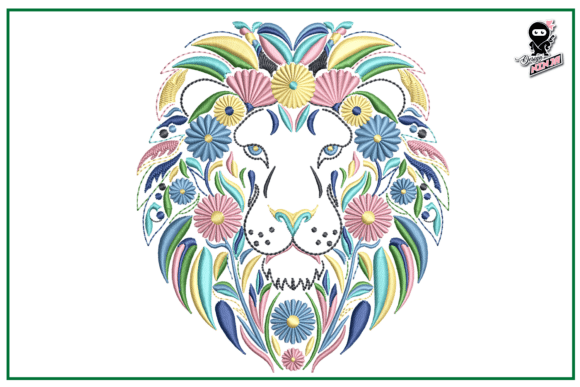
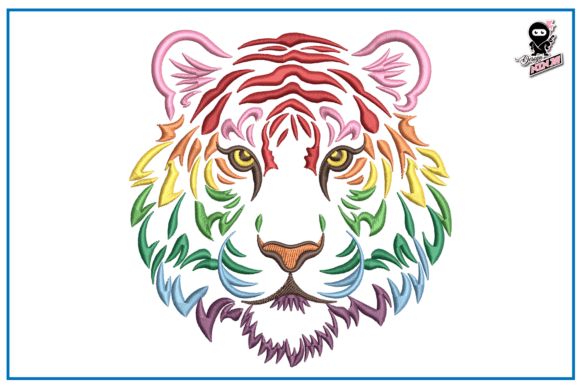
As an embroidery business owner or Etsy seller, you want designs that customers can easily recognize and appreciate in person. Rainbow Tiger achieves this by using distinct shapes and high-contrast thread colors, making it legible even from a distance. This is crucial when setting up your craft fair display or photographing for online listings.
Production Considerations
- Design Clarity: The Rainbow Tiger is easy to understand at a glance, thanks to its clear lines and defined features. This makes it ideal for showcasing in printable mockups and Etsy listings.
- Size Flexibility: While it looks best as a large focal design, the tiger can also be resized effectively for smaller accents like patchwork or cap embroidery.
- Photography Potential: The design photographs well, especially on cotton or linen blends. Its bright colors and dynamic shape make it stand out in photos, which is essential for online sales.
- Batch Production: Because the design is structured and repeatable, it lends itself well to batch production. You can confidently create multiple tote bags or aprons without worrying about inconsistencies.
Careful Use Notes for Maximum Quality
- Dense Stitch Areas: Inspect areas around the tiger’s stripes and facial details for stitch density. These parts may require extra stabilizer to prevent puckering, especially on thinner or stretchy fabrics.
- Tiny Details: The design includes intricate elements that can get lost if not stitched carefully. Always test on scrap fabric before mass-producing.
- Thick or Textured Fabrics: Avoid using Rainbow Tiger on very thick or textured materials like flannel or canvas unless you plan to adjust the stitch settings accordingly.
- Dark Fabric Contrast: To highlight the tiger’s colors, stick to lighter backgrounds. Darker fabrics may mute the vibrancy of the design.
- Curved Surfaces: When applying to curved surfaces such as caps or round pouches, double-check the hoop size and consider using a flexible stabilizer.
- Small Sizes: Be cautious when resizing the design too small, as fine details might become less visible or harder to execute cleanly.
Boosting Your Craft Fair Booth with Rainbow Tiger
This design also increases the perceived value of your products. A hand-stitched tiger with rainbow hues conveys creativity and quality, making buyers more willing to invest in a tote bag or apron. As a boutique maker, you can leverage this to justify higher price points or create limited-edition collections around Wild Animals themes.
Engaging Customers and Increasing Sales
From a digital seller perspective, the design also works well as a standalone file or as part of a bundle. Include it in a “Wild Animal” collection or a “Rainbow Theme” pack to attract a wider audience. Make sure to clearly state the product type (Embroidery) and category (Wild Animals) in your listing descriptions for better SEO visibility.
Final Designer Tips for Selling Rainbow Tiger
- Test on Scrap Fabric: Before producing anything for sale, run a sample on fabric that matches your intended material. This ensures accurate results.
- Check Thread Colors: Confirm that your chosen thread colors align with the design’s intended look. Subtle shifts in hue can affect the final outcome significantly.
- Review Spacing and Layout: Ensure there’s enough space around the design for seam allowances and framing. This is especially important for items like pillow covers or market bags.
- Confirm Hoop Size: Check the recommended hoop size to avoid stretching or distortion during the embroidery process.
- Inspect Stitch Density: Pay close attention to dense areas to determine if additional stabilizer is needed for certain fabric types.
- Use the Right Stabilizer: A tear-away or cut-away stabilizer can make all the difference in achieving clean, professional-looking stitches.
- Create Real Mockups: Always make a couple of real samples to present at your booth or to photograph for Etsy listings. Nothing sells like seeing the design in action.
- Compare Fabric Colors: Choose fabrics that complement the tiger’s colors to maximize visual impact and customer interest.
- Verify Commercial Licensing: If you plan to sell finished products made with this digital embroidery file, confirm the licensing terms. Many designs allow commercial use, but it’s always best to double-check before launching a new product line.